
Manthana
Daily Current Affairs Series
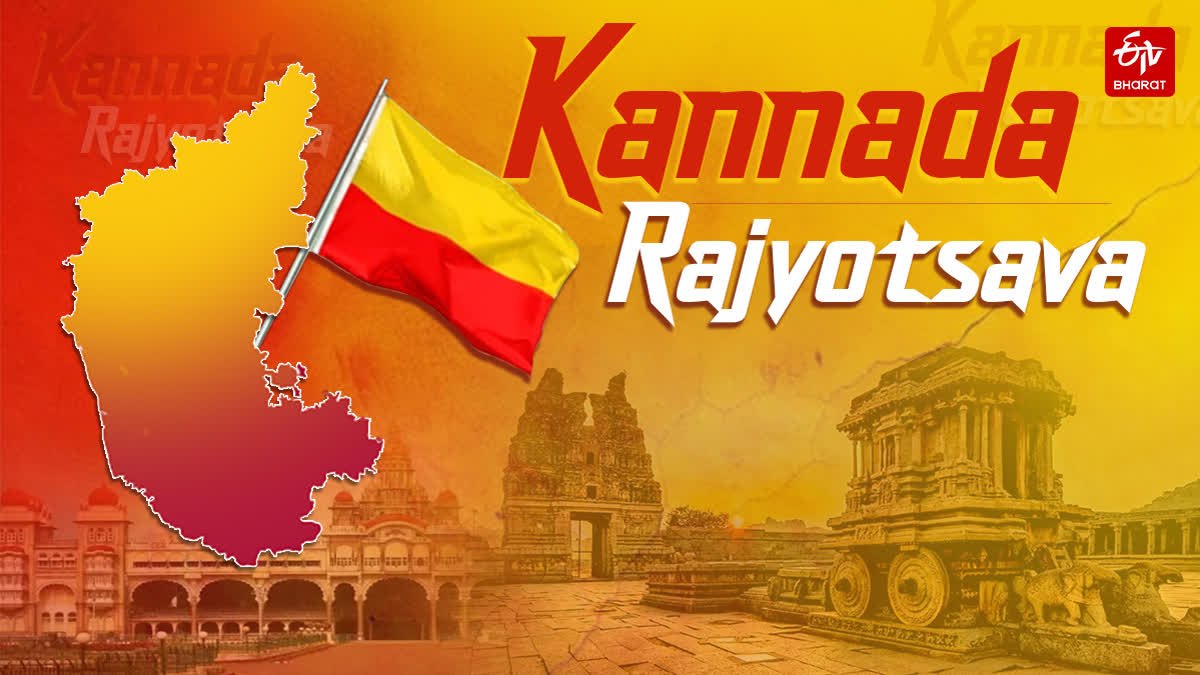
Karnataka Formation Day (Rajyotsava Day)
Analysis Date: November 01, 2025
Overview
- Karnataka Formation Day, also known as Karnataka Rajyotsava, is celebrated on November 1 every year.
- The day marks the formation of the state of Karnataka in 1956, when Kannada-speaking regions of South India were merged to form a single state.
- The name “Mysore State” was officially changed to “Karnataka” on November 1, 1973.
Historical Background
At the time of India’s Independence (1947), South India consisted of several administrative regions:
- State of Mysore (a princely state)
- Hyderabad State under the Nizams
- Madras Presidency
- Bombay Presidency
After Independence, the States Reorganisation Act, 1956 was implemented to create states on linguistic lines.
On November 1, 1956, Kannada-speaking areas from these regions were merged with Mysore State, forming the new Mysore State.
Later, on November 1, 1973, under Chief Minister D. Devaraj Urs, it was renamed Karnataka.
Significance
- The day marks unity among Kannada-speaking people and celebrates the rich culture, heritage, and identity of Karnataka.
- It is a state government holiday, and celebrations are held across all districts.
- The red and yellow Karnataka flag is hoisted on public buildings and homes.
- The Kannada state anthem “Jaya Bharata Jananiya Tanujate” is sung during the celebrations.
A Journey in Time
Cultural Importance
- Major Event Venue: The main Rajyotsava event is held at Kanteerava Stadium, Bengaluru, where the Chief Minister hoists the state flag and delivers a speech.
- Rajyotsava Awards:
- Instituted in 1966, these are the second-highest civilian awards of the state.
- They honour individuals for exceptional contributions in fields like literature, science, sports, art, and public service.
- Cultural Traditions:
- Yakshagana – A traditional theatre form of coastal Karnataka.
- Mysore style of Bharatanatyam, popularised by Jatti Tayamma.
- Traditional attire includes Peta (in southern Karnataka) and Pagadi/Patagia (in the north).
- Karnataka is also home to legendary artists such as Gangubai Hangal, Bhimsen Joshi, and Mallikarjun Mansur.
Cultural Highlights
Rajyotsava Award
State's 2nd Highest Honor
Yakshagana
Traditional Theatre
Hindustani Classics
Bhimsen Joshi & Others
State Flag
Red and Yellow
Historical Movements Leading to State Formation
- The Karnataka Ekikarana Movement began in 1905, led by Aluru Venkata Rao, advocating for the unification of all Kannada-speaking areas.
- The Karnataka Vidyavardhaka Sangha, founded in Dharwad (1890s), was among the earliest organisations promoting the unification idea.
- In 1912, it passed a resolution urging the British to integrate Kannada-speaking regions.
- This demand culminated in the States Reorganisation Act of 1956, which unified Kannada-speaking territories.
Other States Formed on November 1
Apart from Karnataka, several Indian states were also formed or reorganised on the same day (1956):
- Kerala
- Andhra Pradesh
- Madhya Pradesh
- Punjab
- Rajasthan
- Haryana (later in 1966, on the same date)
Key Facts Table
| Event | Karnataka Formation Day / Karnataka Rajyotsava |
| Date | November 1 |
| Formed On | November 1, 1956 |
| Renamed As Karnataka | November 1, 1973 |
| Movement Initiator | Aluru Venkata Rao |
| Organisation Involved | Karnataka Vidyavardhaka Sangha, Dharwad |
| Chief Minister During Renaming | D. Devaraj Urs |
| State Anthem | Jaya Bharata Jananiya Tanujate |
| State Flag Colours | Red and Yellow |
| Main Celebration Venue | Kanteerava Stadium, Bengaluru |
| Major Award Announced | Rajyotsava Award (Since 1966) |
Conclusion
Karnataka Rajyotsava celebrates the unity, pride, and cultural identity of Kannadigas worldwide.
It not only honours the state’s historical journey from Mysore to Karnataka but also highlights its rich traditions, linguistic heritage, and contributions to India’s cultural fabric.
Read Other Articles

India Sets Three Guinness World Records for Women-Led Health Empowerment
Read More →
Lucknow Named UNESCO Creative City for Its Rich Culinary Heritage
Read More →
Raj Kumar Arora Appointed as Financial Advisor for Defence Services
Read More →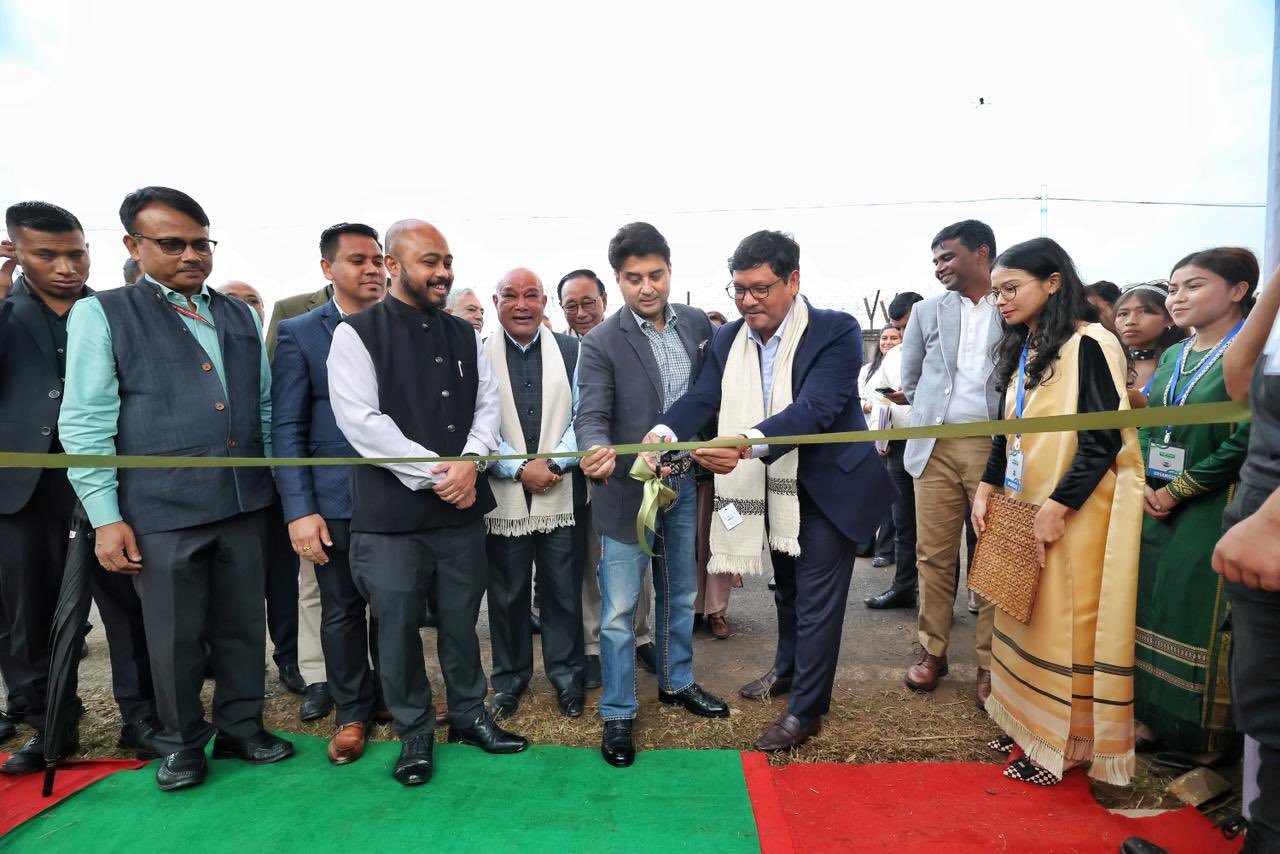
Sohra Tourism Circuit Project Inaugurated Under PM-DevINE
Read More →
ISRO to Launch India’s Heaviest Communication Satellite CMS-03
Read More →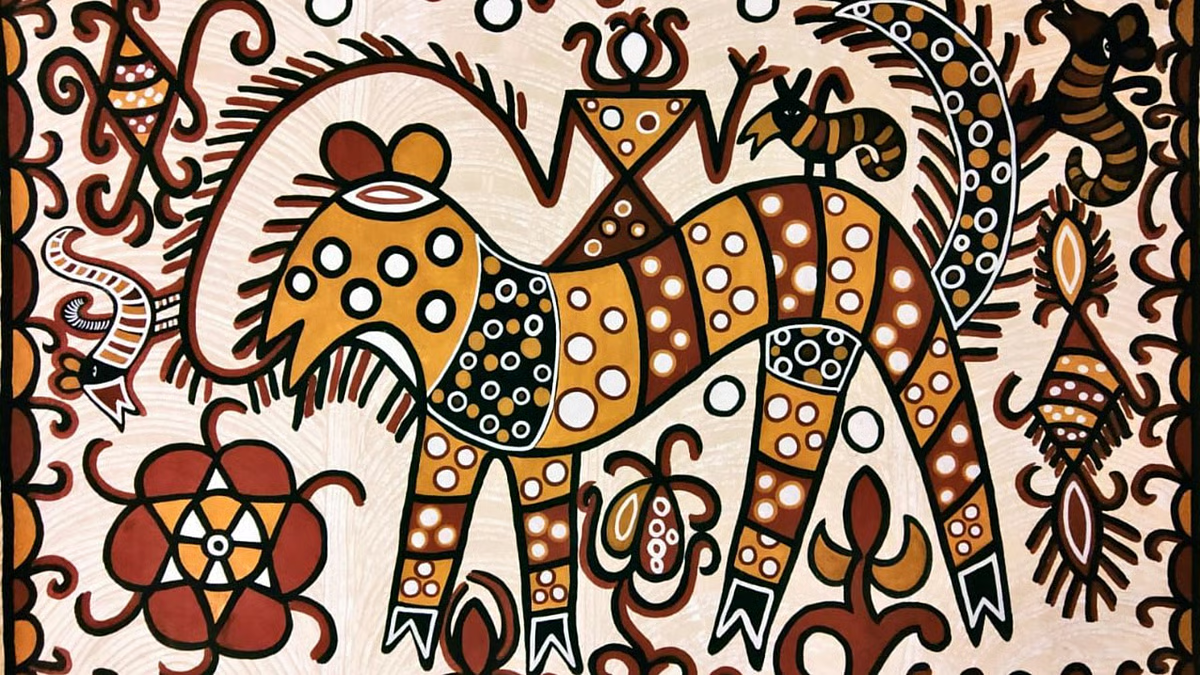
Sohrai Art: Tribal Heritage Revived through CMPDI’s Sustainable Initiative
Read More →
WAVES Animation Bazaar and IndiaJoy 2025 Inaugurated in Hyderabad
Read More →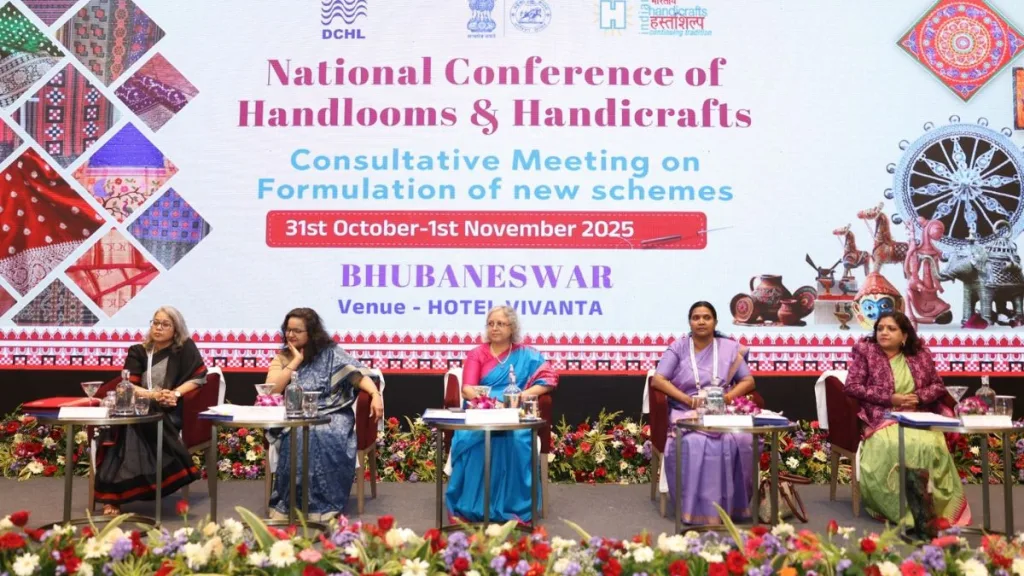
National Conference on Handlooms & Handicrafts 2025 Concludes in Bhubaneswar
Read More →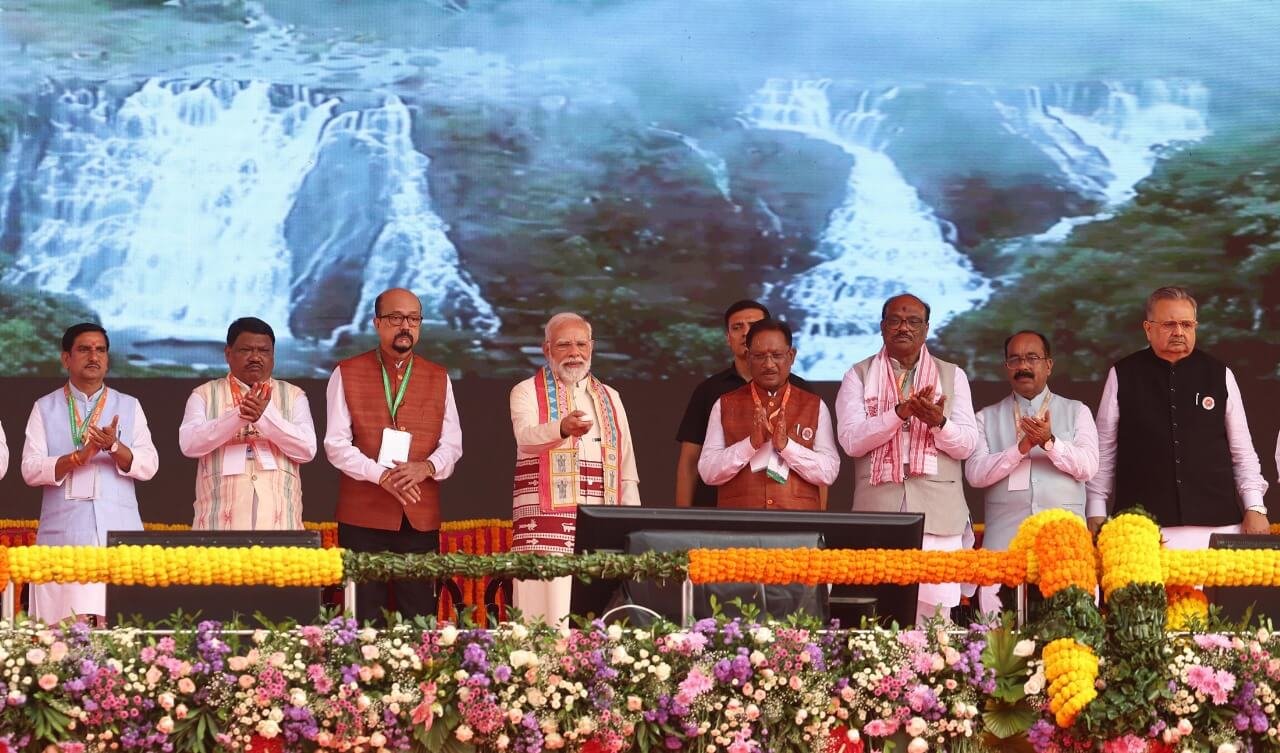
Shaheed Veer Narayan Singh Memorial-cum-Tribal Freedom Fighters Museum Inaugurated in Chhattisgarh
Read More →
Indian Railways to Promote ‘Aabhar’ Online Store to Support Local Artisans
Read More →
India Withdraws from Ayni Air Base in Tajikistan
Read More →
New IIP Facility Inaugurated in Bengaluru to Boost Packaging Education and Research
Read More →
India Extends Support to Afghanistan for Building Dam over Kunar River
Read More →