

Manthana
Daily Current Affairs Series
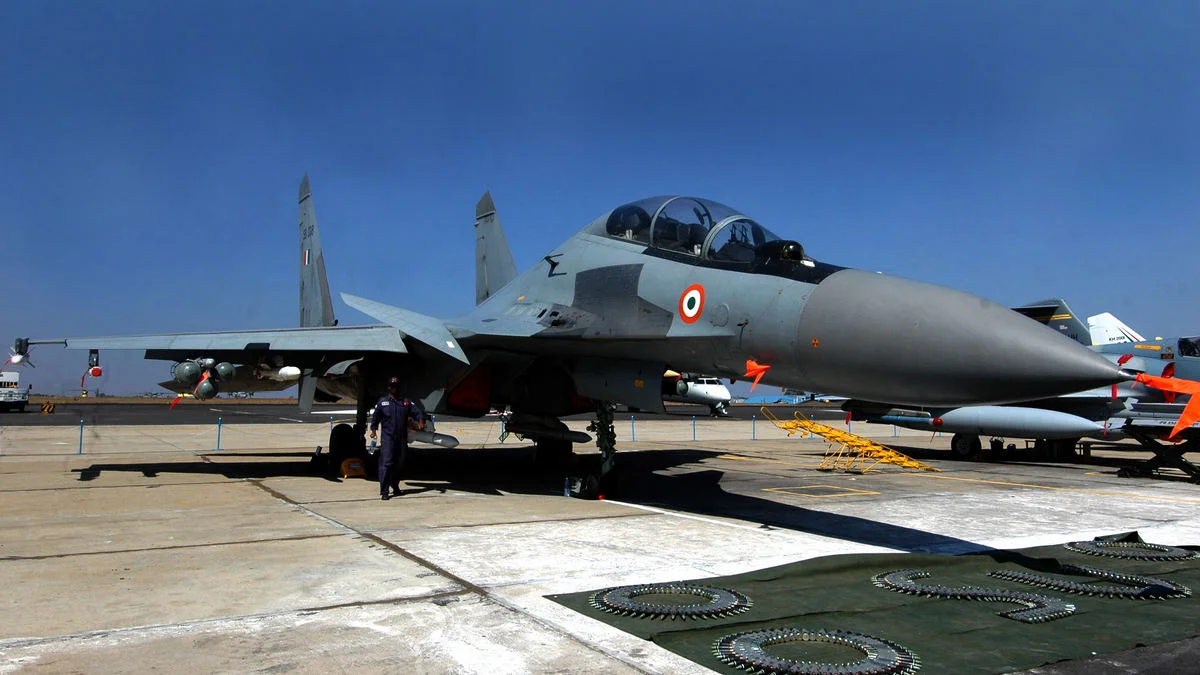
India Withdraws from Ayni Air Base in Tajikistan
Analysis Date: November 01, 2025
Why in News?
India has withdrawn its military personnel and equipment from the Ayni Air Base in Tajikistan after nearly two decades of operation. The move came following the expiry of a bilateral lease agreement between India and Tajikistan in 2022, which was not renewed by the Tajik government.
Overview
- Location: Ayni (Gissar Military Aerodrome), near Dushanbe, Tajikistan
- Operational Since: 2002
- India’s Role: Development, modernization, and joint operation with Tajikistan
- Investment: Approximately USD 100 million
- Developed By: Indian Air Force and Border Roads Organisation under the guidance of the Ministry of External Affairs
Base at a Glance
2002-2022
Operational Period
~$100M
Indian Investment
3,200m
Upgraded Runway
About Ayni Air Base
- Originally a Soviet-era airfield, the Ayni base fell into disrepair after the USSR’s collapse.
- Around 2001–2002, India decided to upgrade the base to establish its first overseas military facility.
- India extended the runway to 3,200 metres, built refuelling, hangar, and repair infrastructure, and stationed around 200 Army and Air Force personnel.
- Su-30MKI fighter jets and helicopters were temporarily deployed for strategic operations.
- The base served both logistical and humanitarian roles, including during the 2021 evacuation of Indian nationals from Afghanistan.
Strategic Importance for India
- Central Asian Presence: Provided India with a vital strategic foothold in Central Asia, a region dominated by Russia and influenced by China.
- Afghanistan Access: Enabled contact with anti-Taliban forces and humanitarian aid delivery to Afghanistan before and after 2001.
- Pakistan Leverage: The base’s location — just 20 km from the Wakhan Corridor near Pakistan-occupied Kashmir — gave India a geopolitical advantage for intelligence and deterrence.
- Regional Influence: Strengthened India’s position in the Indo-Central Asian security network.
Key Strategic Roles
Central Asian Foothold
Strategic presence
Afghanistan Access
Humanitarian & logistics
Geopolitical Leverage
Intel & deterrence
Regional Influence
Security network
Withdrawal and Current Status
- India’s lease on Ayni Air Base expired in 2022 and was not renewed by the Tajik authorities.
- Following this, India fully vacated the facility and withdrew all military personnel and equipment.
- The withdrawal marks the end of India’s first overseas defence outpost, which had served as a symbol of its strategic ambitions in Central Asia.
Significance
- Ends India’s two-decade-long military presence in Tajikistan.
- Reflects shifting geopolitical dynamics in Central Asia amid increasing Russian and Chinese influence.
- Highlights the need for new strategic partnerships and military logistics routes in the region.
- Marks a realignment of India’s foreign policy priorities focusing more on maritime and Indo-Pacific engagements.
Quick Facts
| Name of Facility | Ayni Air Base (Gissar Military Aerodrome) |
| Location | Near Dushanbe, Tajikistan |
| Operated By | India (with Tajikistan) from 2002 to 2022 |
| Investment | Approx. USD 100 million |
| Purpose | Strategic military base for Central Asian access |
| Key Use | Humanitarian missions, anti-Taliban coordination, regional deterrence |
| Reason for Withdrawal | Non-renewal of lease agreement by Tajikistan |
| Strategic Significance | Access to Central Asia, proximity to Afghanistan and PoK |
Read Other Articles
Nov 01, 2025
New
International Relations
India Withdraws from Ayni Air Base in Tajikistan
Read More →
Nov 01, 2025
New
Social Justice
India Sets Three Guinness World Records for Women-Led Health Empowerment
Read More →
Nov 01, 2025
New
Art & Culture
Lucknow Named UNESCO Creative City for Its Rich Culinary Heritage
Read More →
Nov 01, 2025
New
Defence
Raj Kumar Arora Appointed as Financial Advisor for Defence Services
Read More →
Nov 01, 2025
New
Government Schemes
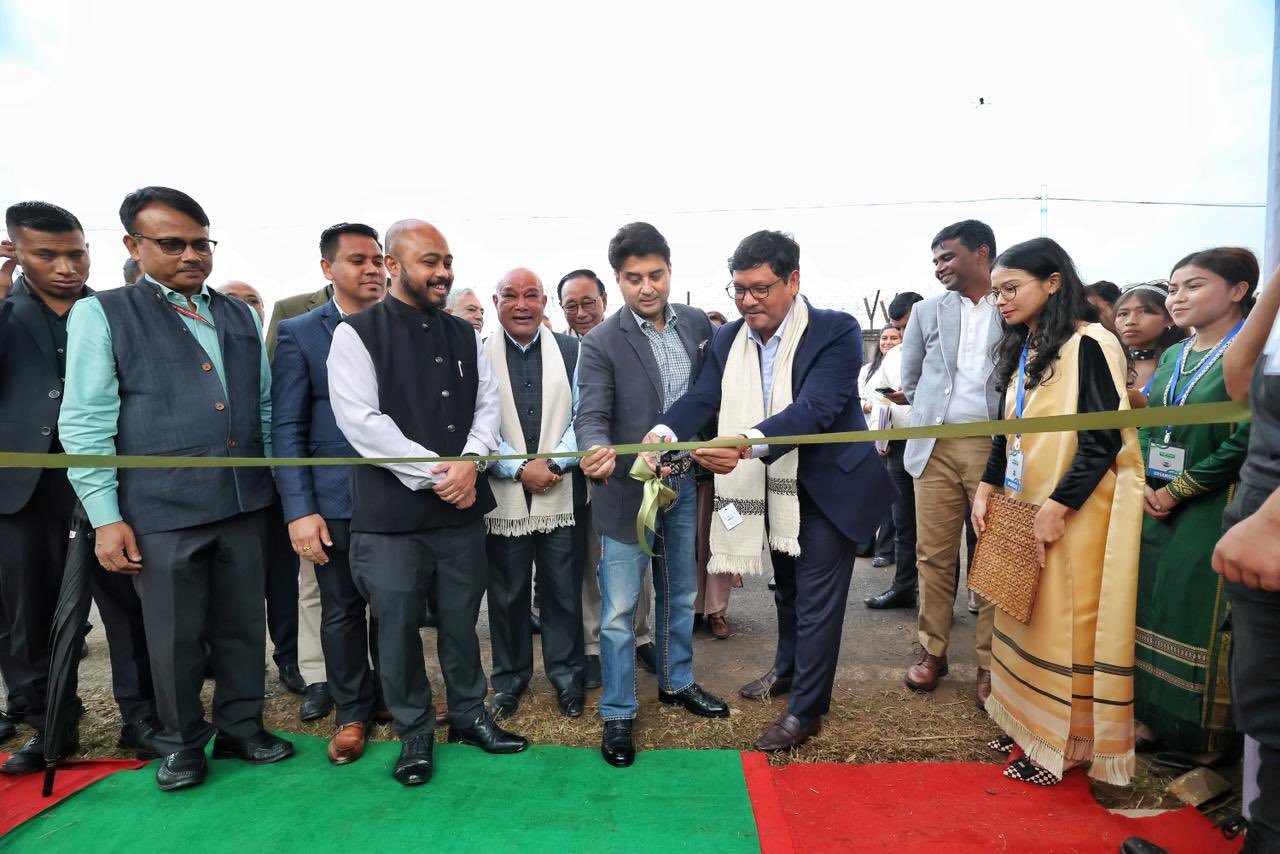
Sohra Tourism Circuit Project Inaugurated Under PM-DevINE
Read More →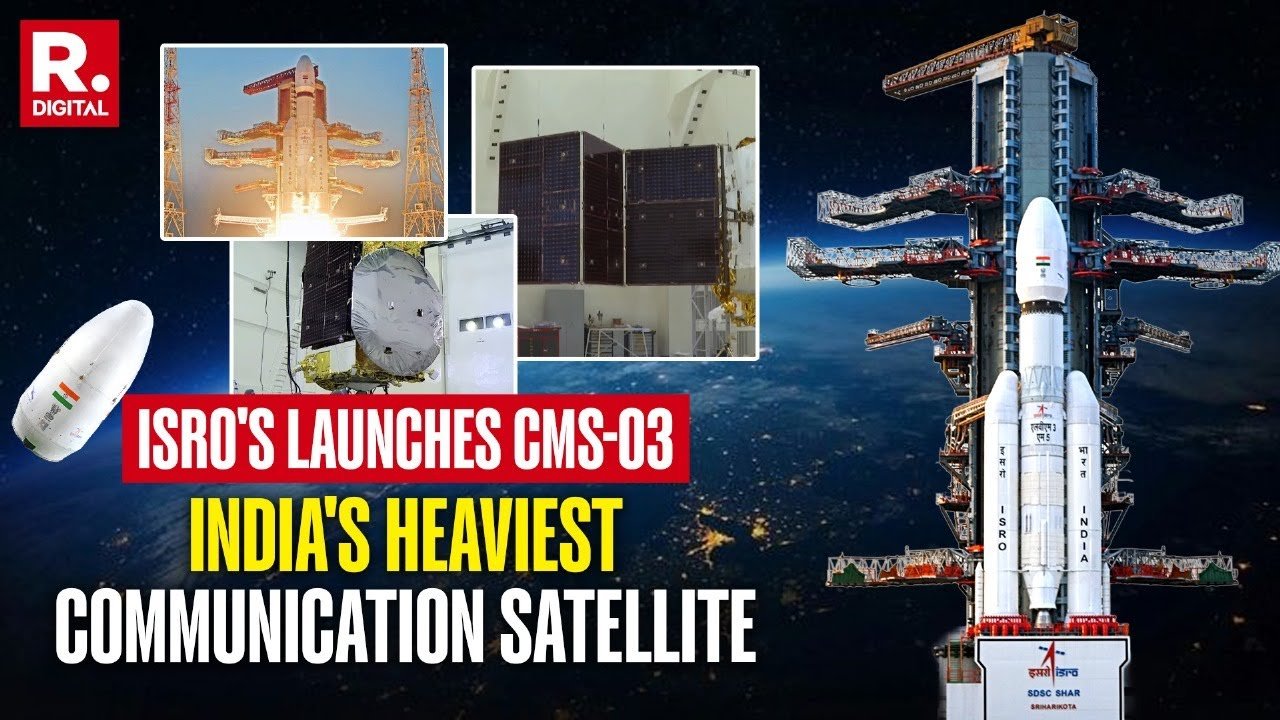
Nov 01, 2025
New
Science & Technology
ISRO to Launch India’s Heaviest Communication Satellite CMS-03
Read More →
Nov 01, 2025
New
Art & Culture
Sohrai Art: Tribal Heritage Revived through CMPDI’s Sustainable Initiative
Read More →
Nov 01, 2025
New
Science & Technology
WAVES Animation Bazaar and IndiaJoy 2025 Inaugurated in Hyderabad
Read More →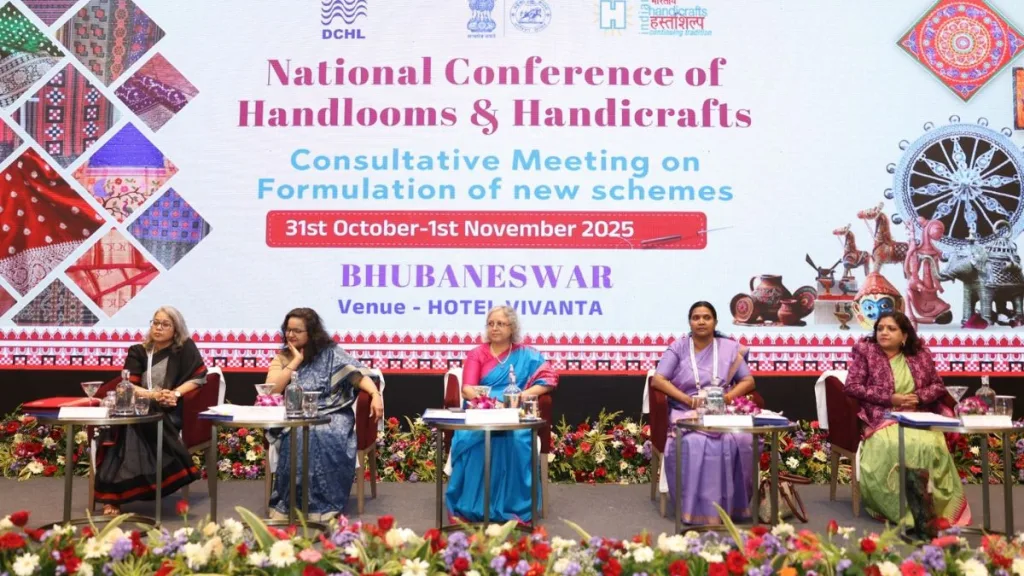
Nov 01, 2025
New
Economy
National Conference on Handlooms & Handicrafts 2025 Concludes in Bhubaneswar
Read More →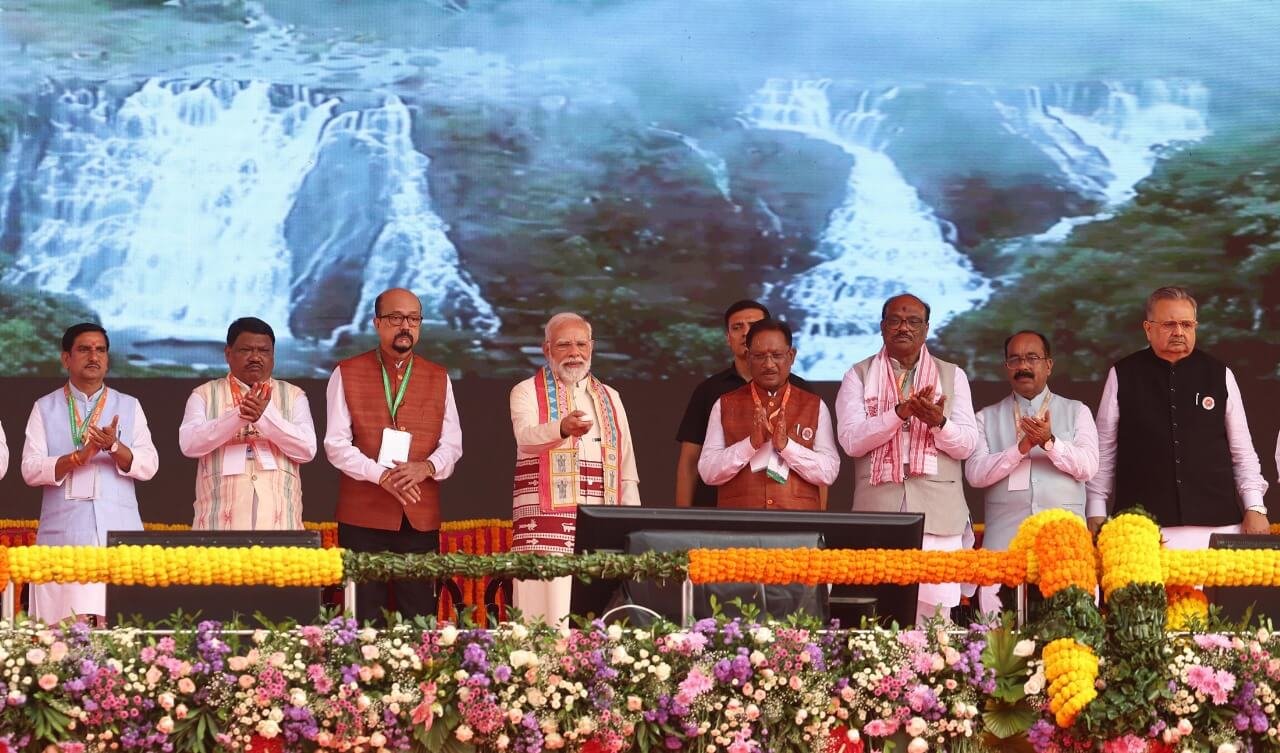
Nov 01, 2025
New
Art & Culture
Shaheed Veer Narayan Singh Memorial-cum-Tribal Freedom Fighters Museum Inaugurated in Chhattisgarh
Read More →
Nov 01, 2025
New
Economy
Indian Railways to Promote ‘Aabhar’ Online Store to Support Local Artisans
Read More →
Nov 01, 2025
New
Economy
New IIP Facility Inaugurated in Bengaluru to Boost Packaging Education and Research
Read More →
Nov 01, 2025
New
International Relations
India Extends Support to Afghanistan for Building Dam over Kunar River
Read More →
Nov 01, 2025
New
Environment & Ecology