

Manthana
Daily Current Affairs Series
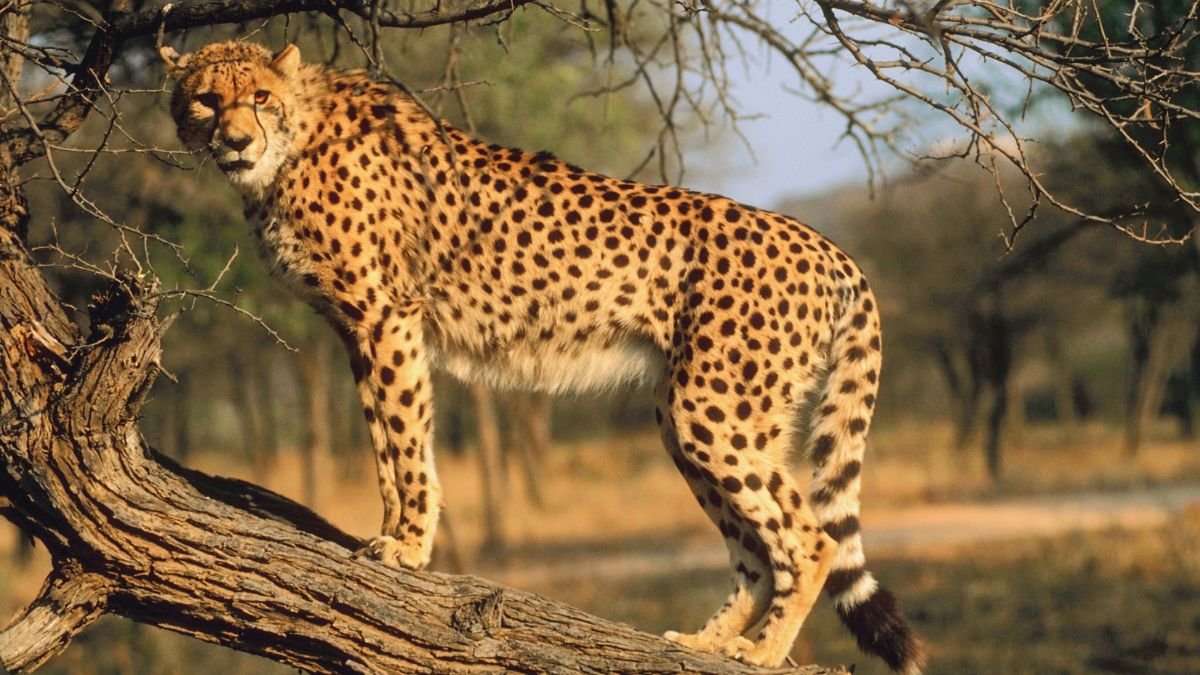
Nauradehi Sanctuary to Become the Third Home for Cheetahs in Madhya Pradesh
Analysis Date: November 01, 2025
Why in News?
- Madhya Pradesh Chief Minister Dr. Mohan Yadav announced that Nauradehi Wildlife Sanctuary will soon become the third home for cheetahs in the state after Kuno National Park and Gandhi Sagar Sanctuary.
- Cheetahs will be brought from Namibia, Africa, and released into the Nauradehi Sanctuary as part of India’s ongoing efforts to expand the cheetah reintroduction project.
Background
- India reintroduced African cheetahs in 2022 at Kuno National Park (Sheopur district, MP) under Project Cheetah, marking the world’s first intercontinental large carnivore translocation.
- Subsequently, Gandhi Sagar Sanctuary was identified as a second home for cheetahs to diversify habitats and reduce population pressure.
- Now, Nauradehi Wildlife Sanctuary is being prepared as the third site, further strengthening cheetah conservation and ecosystem restoration in central India.
Project Cheetah: MP's Homes
Kuno National Park
First Home (2022)
Gandhi Sagar
Second Home
Nauradehi
Third Home (Upcoming)
Expand & Diversify
Project's Goal
About Nauradehi Wildlife Sanctuary
- Location: Madhya Pradesh
- Declared as Sanctuary: 1975
- Area: Largest wildlife sanctuary in Madhya Pradesh
- Topography: Situated on a plateau, forming part of the upper Vindhyan range
- Connectivity: Acts as a corridor linking Panna and Satpura Tiger Reserves, and indirectly connects to Bandhavgarh Tiger Reserve via Rani Durgawati Wildlife Sanctuary
- Biogeographic Classification: Falls under the Deccan Peninsula region and forms part of both the Ganga and Narmada basins
Sanctuary at a Glance
Largest
Wildlife Sanctuary in MP
1975
Declared as Sanctuary
2 Basins
Ganga & Narmada
Ecology and Environment
- Vegetation:
- Classified as Tropical Dry Deciduous Forest
- Comprises Central Indian monsoon forests
- Drainage System:
- Three-fourths of the sanctuary lies in the Yamuna (Ganges) basin
- One-fourth lies in the Narmada basin
- Major rivers: Kopra, Bamner, and Bearma, tributaries of the Ken River
- Flora:
- Common species include Teak, Saja, Dhaora, Bhirra, Ber, Bel, Mahua, Tendu, Gunja, and Amla
- Fauna:
- Hosts species such as Tiger, Panther, Sloth Bear, Wild Dog, Blue Bull, Chinkara, Spotted Deer, and Sambar
Significance
- Strengthens India’s Project Cheetah by expanding habitat range and ensuring ecological balance.
- Enhances connectivity between tiger reserves, supporting wildlife movement and genetic diversity.
- Promotes eco-tourism and local community involvement in conservation.
- Contributes to India’s goal of restoring grassland ecosystems and reviving top predator populations.
Quick Facts
| Sanctuary Name | Nauradehi Wildlife Sanctuary |
| Location | Madhya Pradesh |
| Declared as | Wildlife Sanctuary in 1975 |
| Topography | Plateau of the Upper Vindhyan Range |
| Forest Type | Tropical Dry Deciduous (Central Indian Monsoon Forests) |
| Major Rivers | Kopra, Bamner, Bearma (tributaries of Ken River) |
| Biogeographic Region | Deccan Peninsula |
| Basins Covered | Ganga and Narmada |
| Flora | Teak, Dhaora, Mahua, Tendu, Amla, etc. |
| Fauna | Tiger, Panther, Sloth Bear, Chinkara, Sambar, Wild Dog |
| Upcoming Conservation Role | Third Cheetah Habitat after Kuno & Gandhi Sagar |
Read Other Articles
Nov 01, 2025
New
Environment & Ecology
Nauradehi Sanctuary to Become the Third Home for Cheetahs in Madhya Pradesh
Read More →
Nov 01, 2025
New
Social Justice
India Sets Three Guinness World Records for Women-Led Health Empowerment
Read More →
Nov 01, 2025
New
Art & Culture
Lucknow Named UNESCO Creative City for Its Rich Culinary Heritage
Read More →
Nov 01, 2025
New
Defence
Raj Kumar Arora Appointed as Financial Advisor for Defence Services
Read More →
Nov 01, 2025
New
Government Schemes
Sohra Tourism Circuit Project Inaugurated Under PM-DevINE
Read More →
Nov 01, 2025
New
Science & Technology
ISRO to Launch India’s Heaviest Communication Satellite CMS-03
Read More →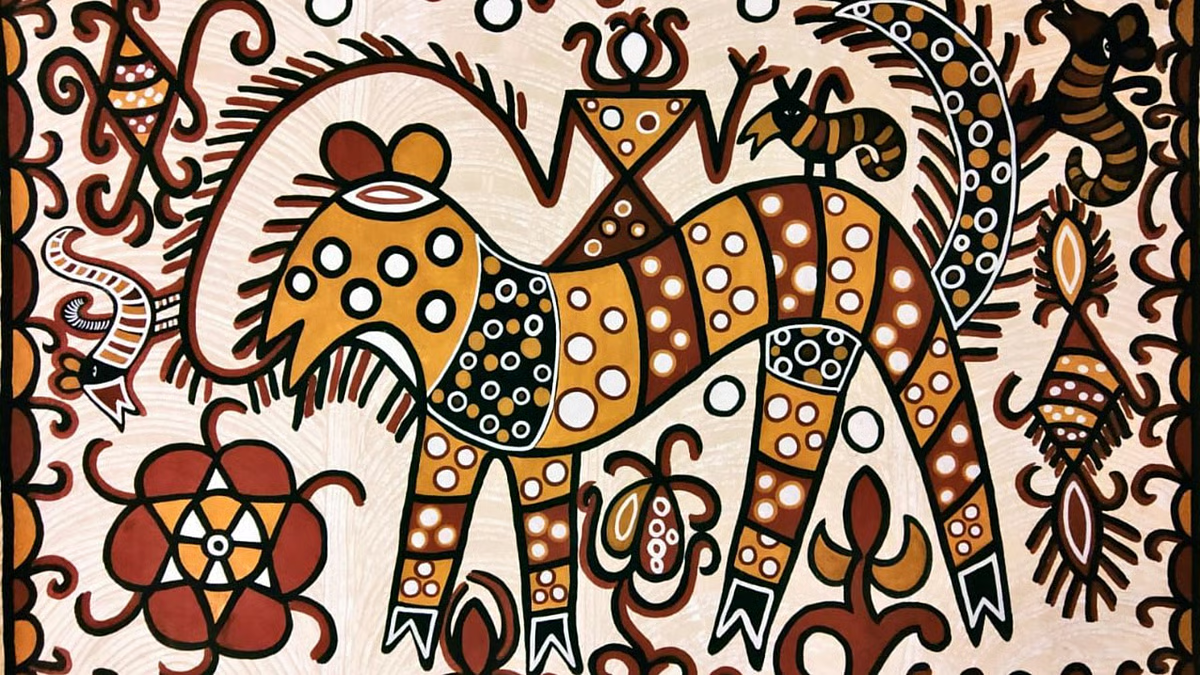
Nov 01, 2025
New
Art & Culture
Sohrai Art: Tribal Heritage Revived through CMPDI’s Sustainable Initiative
Read More →
Nov 01, 2025
New
Science & Technology
WAVES Animation Bazaar and IndiaJoy 2025 Inaugurated in Hyderabad
Read More →
Nov 01, 2025
New
Economy
National Conference on Handlooms & Handicrafts 2025 Concludes in Bhubaneswar
Read More →
Nov 01, 2025
New
Art & Culture
Shaheed Veer Narayan Singh Memorial-cum-Tribal Freedom Fighters Museum Inaugurated in Chhattisgarh
Read More →
Nov 01, 2025
New
Economy
Indian Railways to Promote ‘Aabhar’ Online Store to Support Local Artisans
Read More →
Nov 01, 2025
New
International Relations
India Withdraws from Ayni Air Base in Tajikistan
Read More →
Nov 01, 2025
New
Economy
New IIP Facility Inaugurated in Bengaluru to Boost Packaging Education and Research
Read More →
Nov 01, 2025
New
International Relations